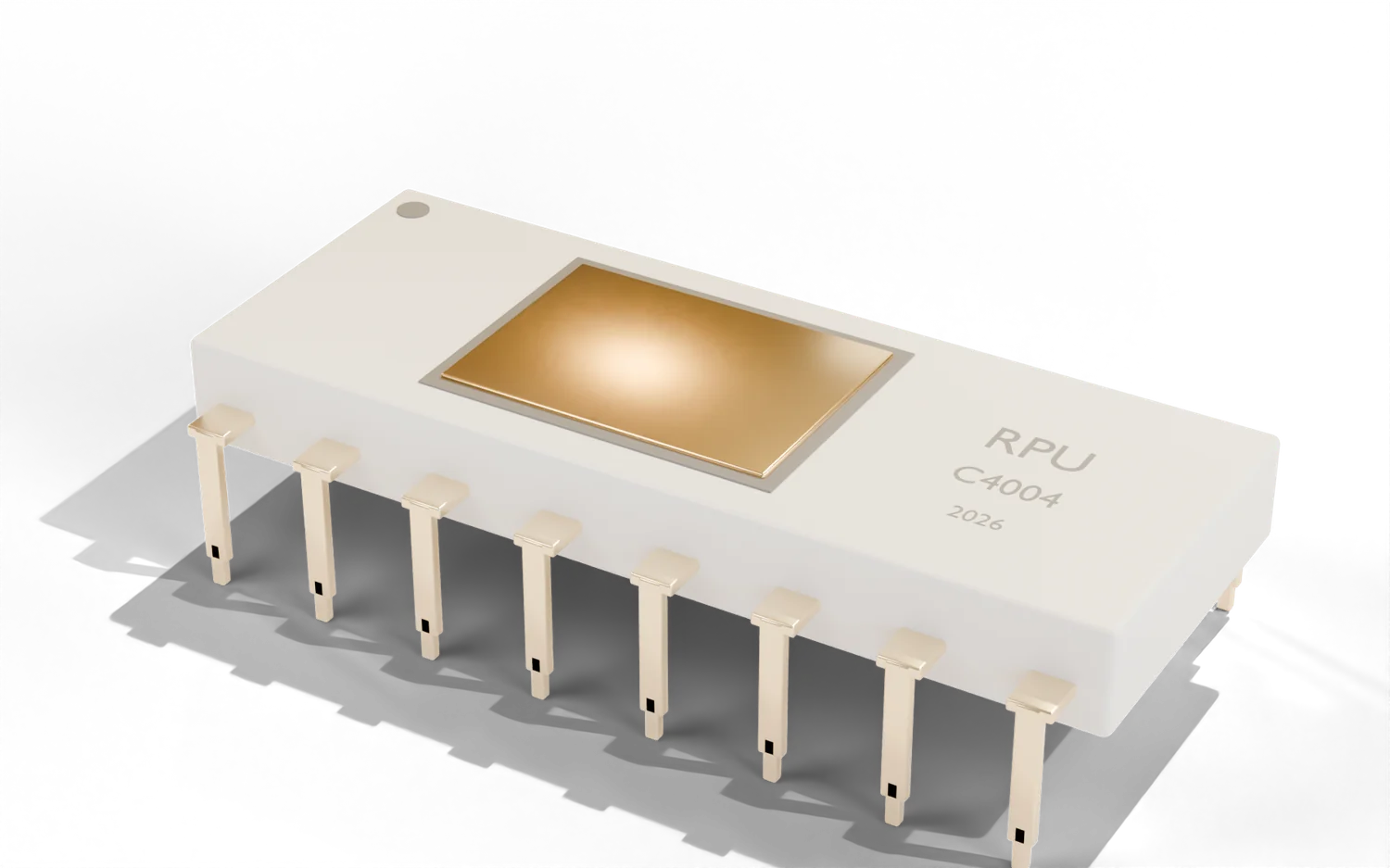
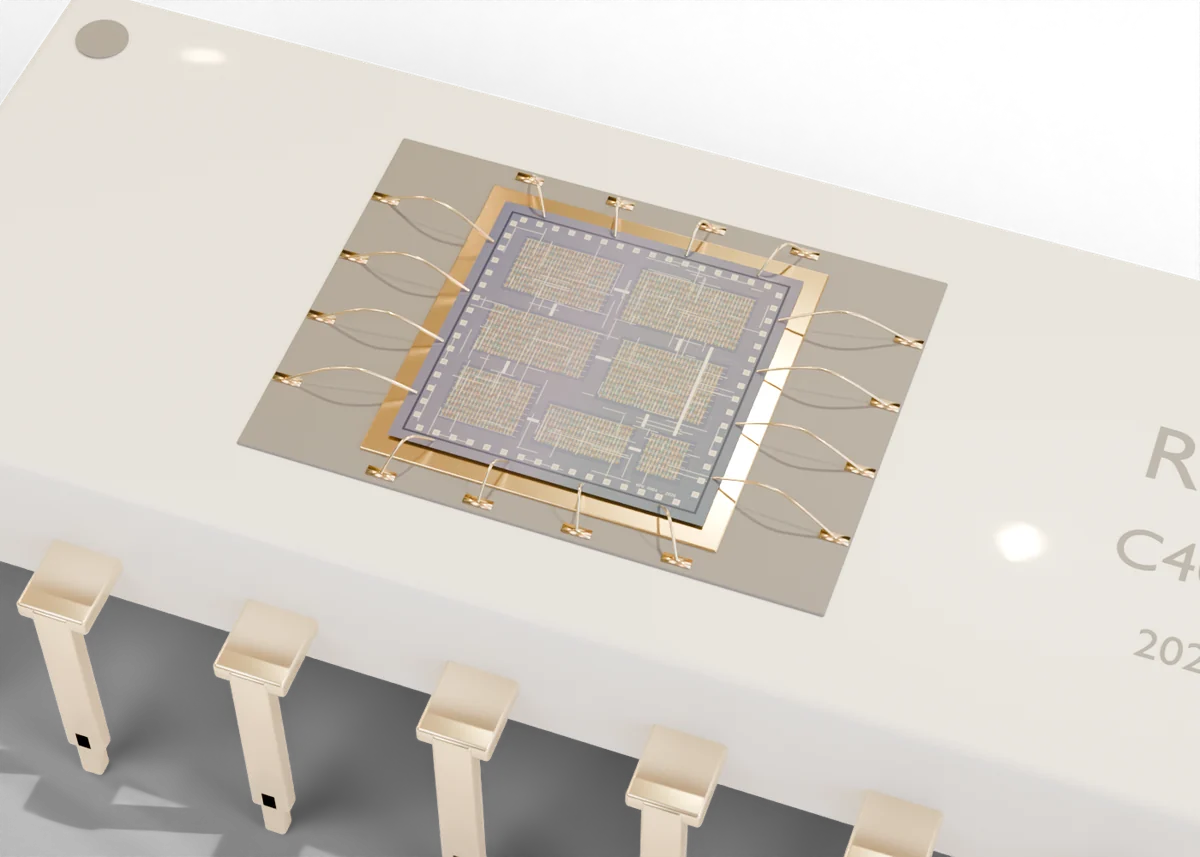
01 · FOR BUILDERSLogic any contract can borrow.
A taped-out circuit is a pure function stored on chain. Any contract on Robinhood Chain can call it for its own checks, and reading it off chain costs nothing. There's no admin and no upgrade, so the answer can't change under you.
// inside your own contract
uint256 out = IRPUCircuits(CIRCUITS).eval(FULL_ADDER, inputs);
// a circuit can't call anything or write state. Worst case: a wrong answer.
02 · A PUBLIC HEARTBEATA clock nobody owns.
The processor ticks once every 10,000 blocks, about every 17 minutes, forever. Anyone can call the tick when it's due. Games, raffles and vesting can key off a beat nobody can pause.
See the next tick03 · FOR LEARNERSA textbook you can run.

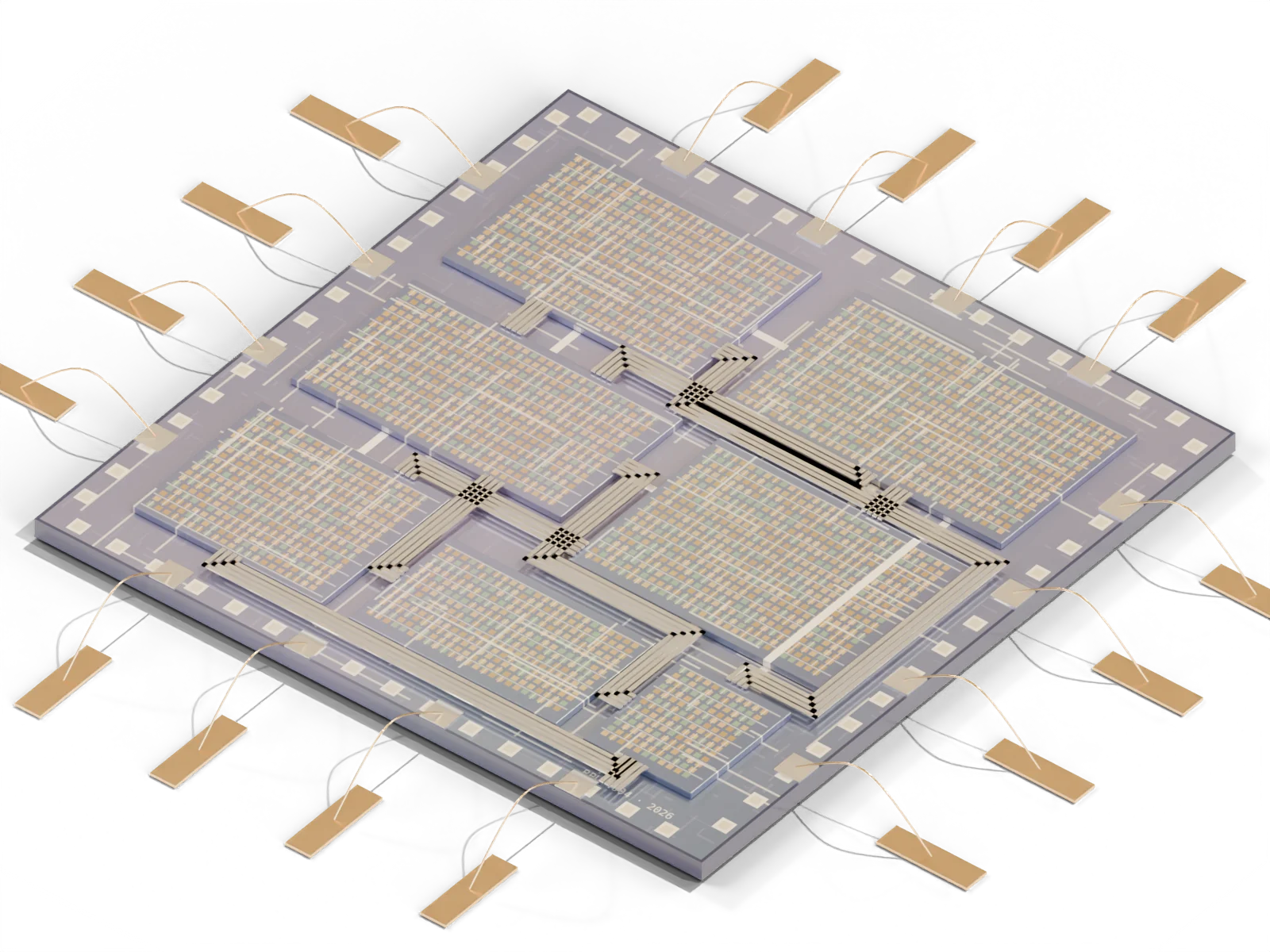
Start with one NAND, then a half adder, then an adder, all the way up to a 4004. Every step is a real circuit you own. It's the same path Intel took in 1971.
NAND gate1
Half adder5
Full adder9
4-bit adder32
40042,300
Fewest gates wins.
Anyone can tape out a 4-bit adder. Doing it in fewer NAND gates is the sport. Every design is public, its gate count is on chain, and the leanest version becomes the one everybody builds on.
05 · FOR AGENTSChecks that can't lie.
An AI agent can hand its math to a circuit and get an answer any other agent can verify by making the same free call. Neither side has to trust the other. They both trust the wiring.
06 · FOR COLLECTORSHardware you can own.
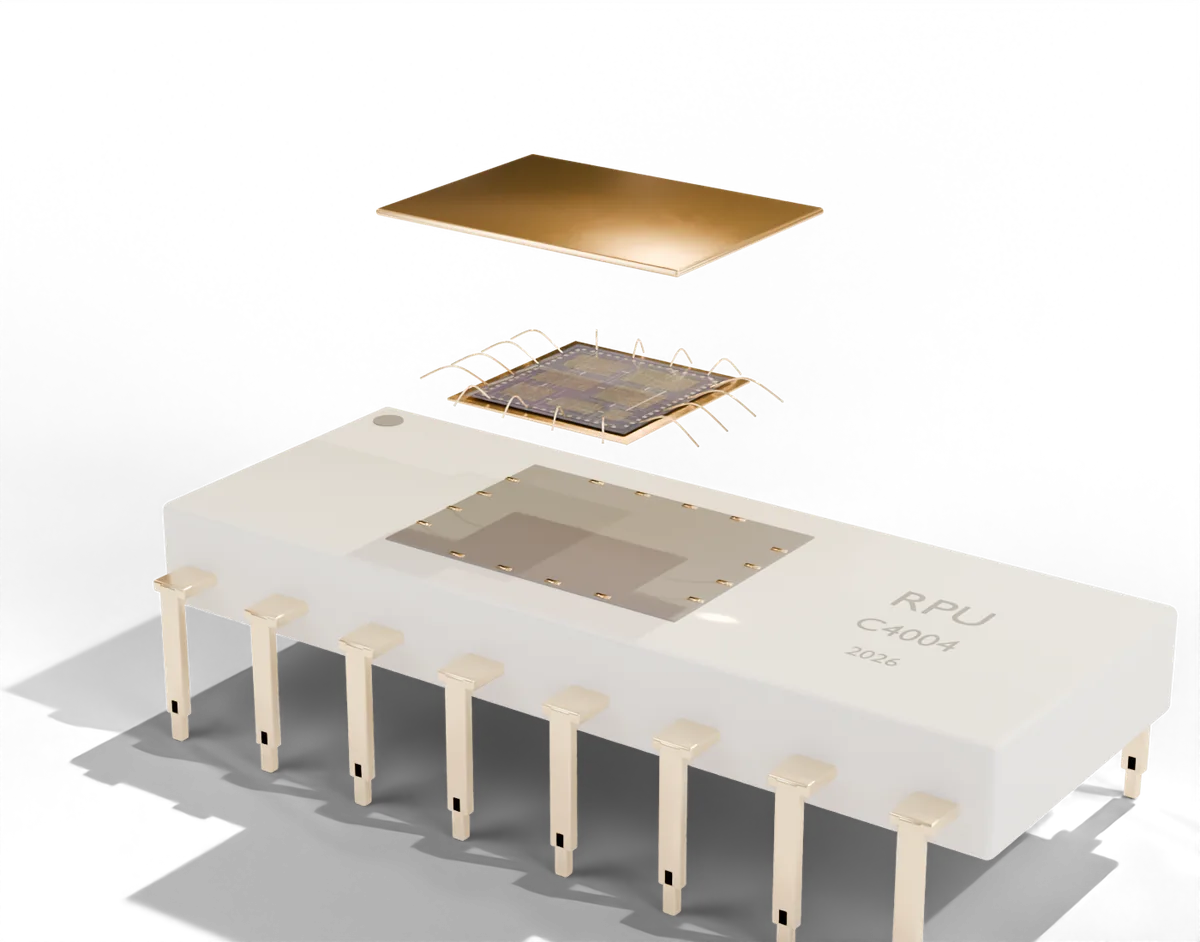
Every circuit is an NFT with its wiring stored on chain. When someone drops yours into their design, your name comes with it.
07 · FOR THE CHAINCompute that isn't money.
Most of what runs on a chain is trading. RPU puts tools of production there instead: machines, parts and the logic between them, built and owned by the people who use them.